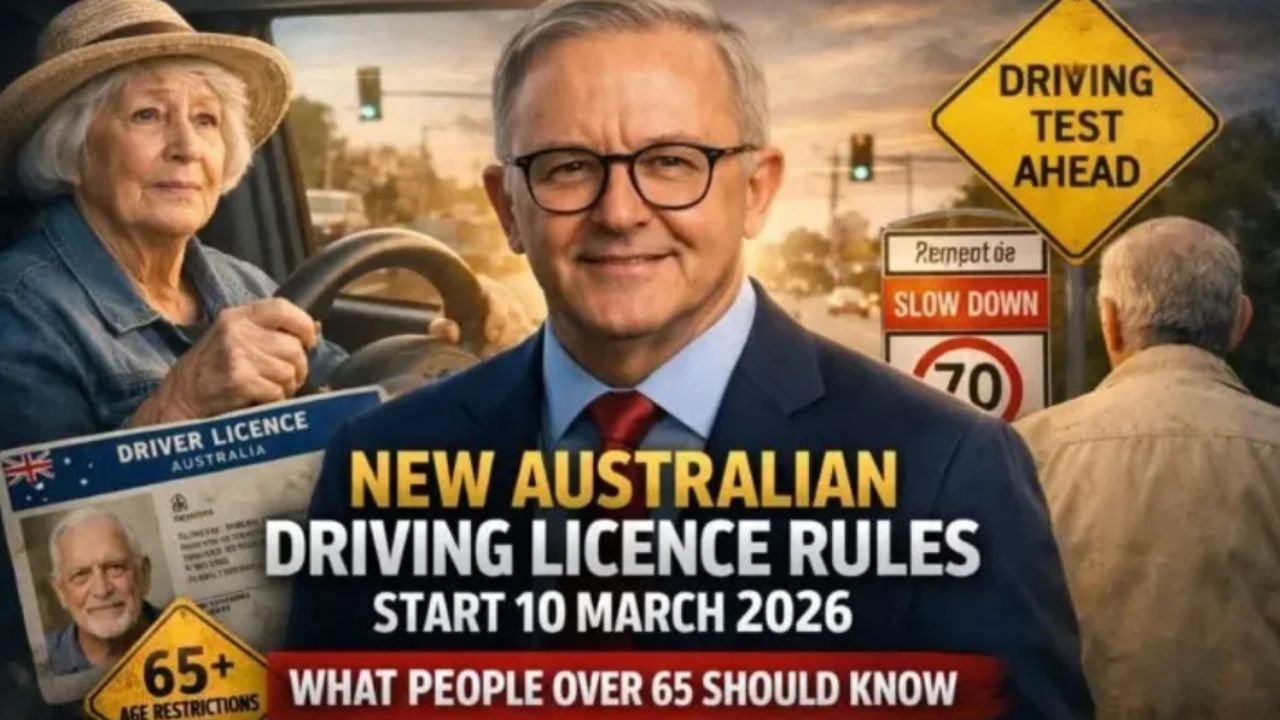
Starting 10 March 2026, Australian drivers aged 65 and above will need to comply with updated licence regulations designed to improve road safety while supporting older drivers’ independence. These reforms introduce structured health assessments, tiered renewal cycles, and conditional licence options, creating a fairer and more predictable framework for senior motorists. Understanding these changes is essential for anyone approaching or over 65.
With the increase in road traffic and changing demographics, authorities have focused on balancing public safety with the freedom for seniors to continue driving. The new rules replace fragmented state-level regulations with a unified national approach, ensuring consistent requirements across the country.
Key Changes to Senior Licence Rules

The 2026 updates focus on three main areas: medical assessments, licence renewal cycles, and conditional driving options. Together, these measures aim to keep seniors safe behind the wheel while allowing them to remain mobile.
Mandatory Medical Assessments
Drivers turning 65 will now need a medical evaluation from a registered GP before renewing their licence. This assessment examines:
- Vision: Ensuring eyesight meets safe driving standards.
- Cognitive Function: Screening for memory, attention, and mental alertness.
- Physical Fitness: Reaction time, mobility, and overall health.
- Medication Effects: Checking for drugs that may impair driving abilities.
Failing the medical review does not automatically revoke driving privileges. Seniors may qualify for conditional licences or seek further specialist assessments to maintain their driving eligibility.
Licence Renewal Cycles

The frequency of licence renewals has been standardized based on age:
| Age Group | Renewal Cycle | Medical Assessment | Conditional Licence |
|---|---|---|---|
| 65–74 | Every 3 years | GP sign-off required | Yes, if needed |
| 75–79 | Annually | Full medical review | Yes, if needed |
| 80+ | Annually | GP + specialist review | Case by case |
| Any age (health concerns) | As directed | Immediate referral | Subject to assessment |
This tiered approach ensures more frequent health checks as drivers age, while providing flexibility for those who may need adjustments to continue driving safely.
Conditional Licences
Conditional licences allow seniors to maintain mobility even if they do not meet all standard requirements. These licences may include:
- Daylight-only driving: Reducing risks associated with poor night vision.
- Geographic restrictions: Limiting driving to specific areas for safety.
- Vehicle adaptations: Using cars equipped with adaptive controls to accommodate physical limitations.

Such measures provide a practical compromise, enabling older drivers to stay active while prioritizing safety.
Preparing for the New Rules
Seniors approaching 65 should book GP appointments ahead of licence renewal to complete the required health assessments. Being proactive ensures:
- Smooth licence renewal without delays.
- Awareness of potential health issues affecting driving.
- Opportunity to address mobility or cognitive concerns early.
If a medical assessment is not passed, drivers can request a second opinion or undergo an on-road evaluation through an occupational therapist, who can recommend adaptive solutions. Appeals processes are also available in most states.
Staying Informed
While the framework is national, states and territories may implement supplementary requirements. Drivers should check with their local transport authority and utilize resources from organizations like the Australian Automobile Association (AAA), NRMA, and RACV. These groups offer guidance, refresher courses, and assessment clinics tailored to senior drivers.
Conclusion
The new Australian driving licence rules, effective 10 March 2026, provide a structured, fair approach for senior drivers. With mandatory health assessments, clear renewal cycles, and conditional licence options, the regulations prioritize road safety without unnecessarily restricting mobility. Being informed, scheduling timely medical checks, and understanding conditional licence options will help older Australians navigate these changes and continue driving safely for years to come.